

Jaw pain can be frustrating, exhausting, and disruptive to your daily life. If you’re experiencing clicking in your jaw, headaches, facial tension, or pain when chewing, you may be dealing with temporomandibular joint dysfunction (TMJ or TMD).
Jaw Pain & TMD Treatment at Manotick PhysioWorks
At Manotick PhysioWorks, our experienced TMJ physiotherapists provide evidence-based TMJ physiotherapy in Manotick and Ottawa South. We focus on reducing pain, restoring proper jaw movement, and helping you return to comfortable eating, speaking,and sleeping.
If you live in Manotick, Riverside South, Greely, Osgoode, or Barrhaven, we are here to help.
What is the Temporomandibular Joint (TMJ)?
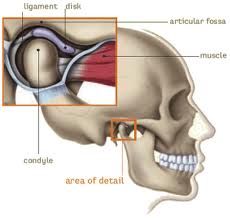
The temporomandibular joint (TMJ) connects your lower jaw (mandible) to your skull, just in front of each ear. You have two TMJs working together every time you:
- Chew
- Talk
- Yawn
- Swallow
- Clench your teeth
Unlike a simple hinge (like your elbow), the TMJ both hinges and slides, making it one of the most complex joints in the body. A small cartilage disc inside the joint helps cushion and guide movement.
When the joint or surrounding muscles become irritated, inflamed, tight, weak, or poorly coordinated, it can lead to TMJ disorder (TMD).
Common Symptoms of TMJ Dysfunction
You may benefit from physiotherapy for TMJ if you experience:

- Jaw pain or tenderness.
- Clicking, popping, or grinding sounds.
- Difficulty opening or closing your mouth.
- Locking of the jaw.
- Headaches or migraine-like symptoms.
- Ear pain or fullness (with no infection).
- Neck and shoulder tension.
- Facial pain.
- Pain when chewing.
originate from the jaw.
Did You Know?
Jaw Pain and Headaches Are Connected
TMJ dysfunction is frequently linked to tension headaches and even migraine patterns.
Your Neck and Jaw Work Together
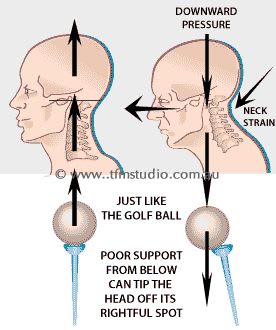
Forward head posture (common with desk work and phone use) increases strain on the
TMJ, and altered mechanics of the joint and disc.
Clicking Doesn’t Always Mean Damage
Some people experience clicking without pain. However, persistent clicking with
discomfort should be assessed by a physiotherapist trained in TMJ care & treatment.
Stress Plays a Major Role
Teeth grinding and jaw clenching — often related to stress — are major contributors to
TMJ pain. Many people clench without even realizing it (nighttime and daytime).
What Causes TMJ Pain?
TMJ dysfunction rarely has just one cause. At Manotick PhysioWorks, we perform a
comprehensive assessment to determine contributing factors, which may include:
- Teeth grinding (bruxism)
- Jaw clenching
- Poor posture
- Forward head position
- Whiplash or previous neck injury
- Dental procedures or bite changes
- Arthritis
- Joint hypermobility
- High stress levels
How Physiotherapy Helps TMJ Pain
Physiotherapy is one of the most effective conservative treatments for TMJ dysfunction.
At Manotick PhysioWorks, your treatment may include:
Comprehensive TMJ Assessment
We evaluate jaw opening and closing mechanics, side-to-side motion, muscle tension,
neck posture, and contributing lifestyle habits.
Hands-On Manual Therapy
Gentle techniques may include TMJ joint mobilizations, soft tissue release, trigger point
therapy, and neck and upper spine treatment.
Targeted Jaw Exercises
We prescribe specific exercises to improve coordination, reduce clicking, strengthen
weak muscles, and relax overactive muscles.
Posture & Ergonomic Correction
Many TMJ cases improve significantly with neck posture correction, workspace setup
changes, and awareness training.
Stress & Clenching Strategies
We provide practical techniques to reduce daytime jaw clenching, nighttime grinding
awareness, and stress-related muscle tension.
Why Choose Manotick PhysioWorks for TMJ Treatment
Residents of Manotick and Ottawa South choose us because:
- We provide one-on-one physiotherapy sessions.
- We take a whole-body approach (jaw + neck + posture).
- We focus on long-term solutions, not just temporary relief.
- We create individualized treatment plans.
- We understand the demands of active families and professionals.
Our goal is not just to reduce pain, it’s to restore normal function so you can eat,
speak, and smile comfortably again.
When Should You See a Physiotherapist for TMJ?
You should book an assessment if:
- Jaw pain lasts more than a few days.
- Clicking is painful or worsening.
- Your jaw locks or catches.
- You have persistent headaches with jaw tightness.
- Chewing feels uncomfortable.
- You wake up with jaw soreness.
Frequently Asked Questions About TMJ Physiotherapy

1.) Does TMJ physiotherapy hurt?
Treatment is gentle and tailored to your tolerance. Most patients experience gradual relief, not increased pain.
2.) Do I need a referral?
No referral is required to see a physiotherapist in Ontario.
3.) Can physiotherapy fix jaw clicking?
In many cases, yes — especially if the clicking is related to muscular imbalance or coordination issues.
4.) How many sessions will I need?
This varies depending on severity, contributing factors, and consistency with treatment plan care elements.
Many patients notice improvement within a few visits.
Book TMJ Physiotherapy in Manotick Today!
TMJ pain can affect your sleep, eating, work performance, and quality of life — but it
doesn’t have to.
If you are experiencing jaw pain, clicking, headaches, or facial tension,
contact Manotick PhysioWorks to schedule a comprehensive TMJ assessment.
Serving Manotick, Riverside South, Greely, Osgoode, and Ottawa South.
We’re here to help you move, feel, and function better!