

When people hear the term pelvic floor physiotherapy, many assume it's only for women. However, men also experience pelvic floor dysfunction, which can affect bladder and bowel function, sexual health, core stability, and overall quality of life. Male pelvic floor physiotherapy focuses on assessing and treating the muscles that support the bladder, bowel, and reproductive organs to help reduce symptoms, restore function, and improve confidence. Our pelvic floor physiotherapists at Manotick Physioworks provide personalized assessments and evidence-based treatment plans to help you get back to living comfortably and confidently!
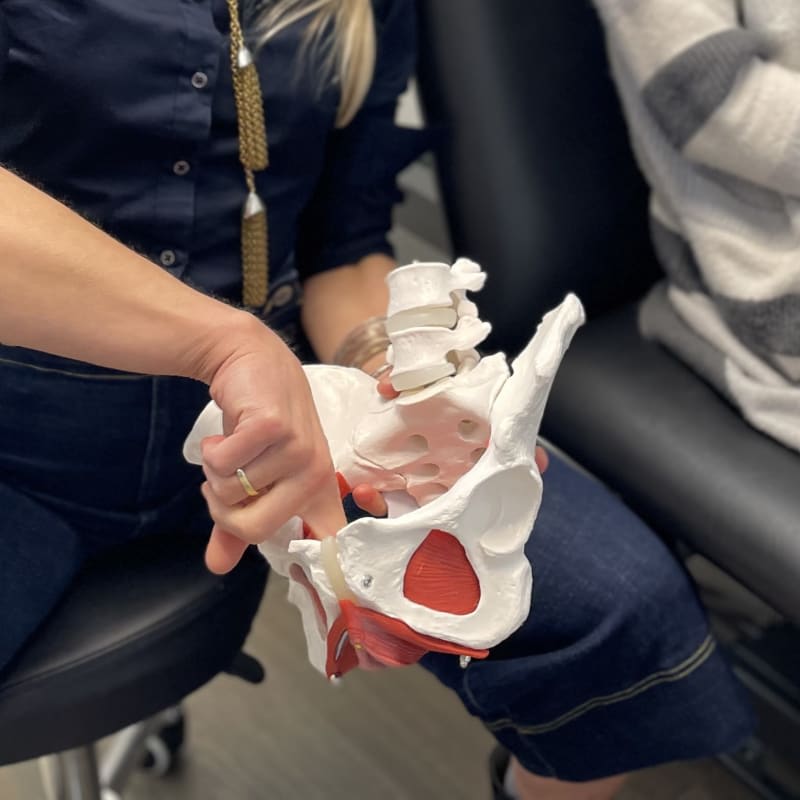
What Is the Pelvic Floor?
The pelvic floor is a group of muscles that form a supportive sling at the base of your pelvis. These muscles help to:
- Support the bladder and bowel.
- Control urination and bowel movements.
- Contribute to sexual function and performance.
- Stabilize the pelvis and lower back.
- Work alongside your core and diaphragm during movement and exercise.
Common Signs & Symptoms of Pelvic Floor Dysfunction in Men
Pelvic floor dysfunction in men can present in many different ways. Symptoms may develop gradually or appear after surgery, injury, illness, or prolonged stressBladder Symptoms
- Urinary urgency.
- Frequent urination.
- Difficulty starting urine flow.
- Weak urine stream.
- Feeling of incomplete bladder emptying.
- Urinary leakage or incontinence.
- Getting up multiple times during the night to urinate.
Bowel Symptoms
- Constipation.
- Difficulty emptying the bowels.
- Straining during bowel movements.
- Feeling of incomplete emptying.
Pain Symptoms
- Pelvic pain.
- Tailbone pain.
- Groin pain.
- Lower abdominal discomfort.
- Pain around the testicles or penis.
- Pain with sitting for prolonged periods.
Sexual Health Concerns
- Erectile dysfunction.
- Pain during or after ejaculation.
- Premature ejaculation.
- Reduced sexual confidence due to pelvic symptoms.
What Causes Pelvic Floor Problems in Men?
Many factors can contribute to pelvic floor dysfunction in men. Common causes include:
Prostate Surgery. Following prostate surgery or treatment for prostate cancer, some men experience urinary leakage, urgency, or changes in pelvic floor muscle function. Pelvic floor rehabilitation is commonly recommended to support recovery.
Chronic Tension and Stress. Stress affects more than just mental health. Many men unknowingly hold tension in their pelvic floor muscles, which can contribute to pain, tightness, urinary symptoms, and difficulty relaxing the muscles.
Chronic Pelvic Pain Syndrome. Chronic pelvic pain syndrome is often associated with persistent pelvic discomfort, urinary symptoms, and sexual dysfunction. Pelvic floor muscle dysfunction frequently contributes to these symptoms.
Sports & Physical Activity. Heavy lifting, high-impact exercise, cycling, and activities that repeatedly increase pressure within the abdomen may contribute to pelvic floor dysfunction in some individuals.
Low Back, Hip, and Core Dysfunction. The pelvic floor works closely with the muscles of the abdomen, diaphragm, hips, and lower back. Dysfunction in one area can influence another, making a whole-body assessment important.

How Can Pelvic Floor Physiotherapy Help?
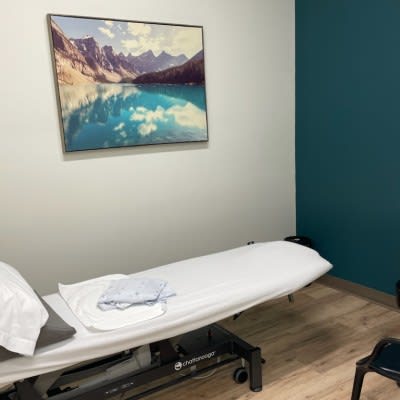
Pelvic floor physiotherapy begins with a comprehensive assessment to identify the factors contributing to your symptoms. Our pelvic floor physiotherapists at Manotick Physioworks will then develop an individualized treatment plan based on your specific needs. Pelvic floor physiotherapy may include:
Education. Understanding how the pelvic floor functions can help reduce fear, improve symptom management, and support recovery.
Pelvic Floor Muscle Training. Some men benefit from strengthening exercises, while others need to learn how to relax and lengthen overactive pelvic floor muscles. Treatment is tailored to your individual presentation.
Breathing and Pressure Management. Your diaphragm, core, and pelvic floor work together. Learning proper breathing strategies can improve pelvic floor function and reduce symptoms.
Manual Therapy. Hands-on treatment may be used to address muscle tension, trigger points, connective tissue restrictions, or related hip and low back dysfunction.
Exercise Prescription. Your physiotherapist may prescribe mobility, strengthening, and coordination exercises to improve overall function and reduce symptom recurrence.
Return to Sport and Activity Guidance. For active individuals, treatment can you help safely return to exercise, lifting, cycling, and other recreational activities.
What Happens During an Assessment?
Many men feel unsure about what to expect during their first pelvic floor physiotherapy appointment. Our pelvic floor physiotherapists at Manotick Physioworks will always explain the assessment process and ensure you are comfortable with every step. A pelvic floor physiotherapy assessment may include:
- Discussion of symptoms and medical history.
- Review of bladder, bowel, and sexual health concerns.
- Assessment of posture, breathing, core function, hips, and lower back.
- Evaluation of pelvic floor muscle function.
Frequently Asked Questions
- Is pelvic floor physiotherapy only for older men? No. Men of all ages can experience pelvic floor dysfunction, including athletes, active adults, and younger individuals.
- Can physiotherapy help after prostate surgery? Yes. Pelvic floor physiotherapy is commonly recommended to help improve urinary control and support recovery after prostate surgery.
- Is pelvic pain normal? Persistent pelvic pain is not something you simply have to live with. A thorough assessment can help identify contributing factors and treatment options.
- Do I need a referral? In Ontario, a referral is not required to see a physiotherapist. However, some insurance plans may require one for reimbursement.
Take the First Step Toward Better Pelvic Health
Pelvic floor symptoms can be frustrating, uncomfortable, and difficult to talk about, but they are more common than many people realize and are often highly treatable. Whether you're experiencing urinary symptoms, pelvic pain, sexual health concerns, or recovering from prostate surgery, our pelvic floor physiotherapists at Manotick Physioworks can help you better understand your symptoms and create a personalized treatment plan to support your recovery. Take the first step toward better pelvic health by contact us to book an assessment with our team today!